Since the December 2021 licence rule change, any standard Category B car licence holder can tow a trailer up to 3,500kg combined weight - no additional test, no special category required. The pool of potential customers is the largest it has ever been, and most of them are searching digitally.
Most local trailer hire operators - Ifor Williams dealers, independent hire specialists, tool hire companies running a few trailers on the side - are still relying on a Yell listing, a Facebook page, and the phone number on the side of a van. A properly built website with fleet specs, published pricing, a towing guide that answers the licence question, and a claimed Google Business Profile is still genuinely unusual in most UK towns.
That is the opportunity.
What your customers see when they search
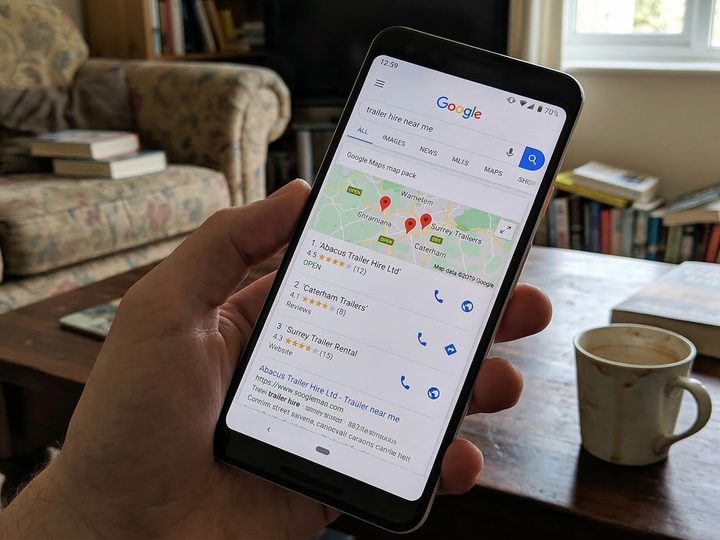
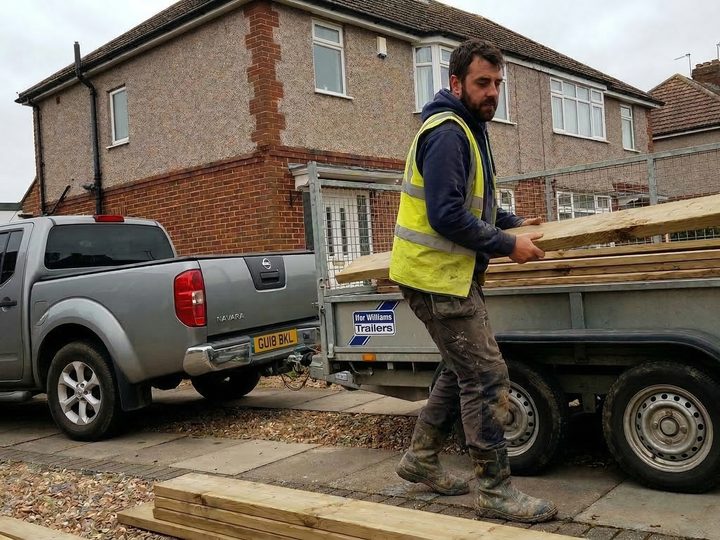
Most trailer hire searches happen on a phone, on the day the trailer is needed. The customer opens the first two results, checks pricing and fleet availability, and calls whoever has the information they need. Here is what that journey looks like.

What your website needs to generate enquiries
A website that sits there looking presentable is one thing. A website that generates consistent enquiries from the right customers is another. Here's what separates the two:
A fleet page with photos, dimensions, and payload
Every trailer type needs its own listing with internal dimensions (length x width in metres), maximum payload in kg, gross weight, ramp type, hitch type, and a photo of the actual trailer in your yard - not a manufacturer image. A customer hiring a trailer to move a mini-digger or transport a track car needs to confirm the trailer will work before they pick up the phone. A missing dimension is a missed hire. The businesses that list full specifications - Fieldfare Trailer Centre, Coventry Trailer Hire - consistently outrank and outconvert those that do not.
Published day, weekend, and weekly rates
Publishing pricing is the single most effective conversion change for a trailer hire website. Most independent operators say "call for a quote" and lose the majority of evening and weekend browsers who are comparing options on a phone and will not call until they know roughly what to expect. Day rate, weekend rate (typically Friday 5pm to Monday 8am), and weekly rate clearly listed - alongside the deposit amount and card-only policy - eliminates the main friction point. If your rates are competitive, show them. If they are not, a website conversation is not the place to hide that.
A towing guide that answers the licence question
"Do I need a special licence to tow this?" is the question every first-time hirer has, and most hire websites do not answer it. Since the December 2021 rule change, the answer for most people is straightforward: any standard car licence (Category B) allows towing up to the combined vehicle and trailer limit shown on the towing vehicle's VIN plate, with no additional test required. A short page explaining this - including how to check your vehicle's towing capacity and what gross train weight means - converts uncertain browsers who would otherwise abandon without enquiring. It also ranks for "what licence do I need to tow a trailer UK" and pulls in customers who were not looking for a hire business but found you anyway.
Hire terms in plain English
What ID to bring (driving licence plus one utility bill is the standard), deposit amount, when it is refunded, what constitutes chargeable damage, towing speed limits (50mph single carriageway, 60mph dual carriageway), number plate requirements, and breakaway cable fitting. These details are missing from the majority of UK hire websites and they prevent the phone calls that waste your time - the customer who turns up without the right ID, the customer who did not know about the speed limit, the customer who was not expecting the deposit. Covering them clearly removes final objections from customers who are almost ready to book.
Your service area with actual town names
Whether customers collect or you deliver, the specific towns and postcode areas you cover need to be written as text on the page. "We cover Surrey and the surrounding area" tells Google nothing. "Guildford, Woking, Farnham, Godalming, Cranleigh, Haslemere, Dorking" tells Google exactly which searches to show you for. Your coverage area page is one of the cheapest and most direct levers for local search rankings in trailer hire.
A prominent, tappable phone number on every page
A significant proportion of trailer hire searches happen on a mobile phone, on the same day the trailer is needed. The number needs to be in the header, visible without scrolling, and formatted as a tap-to-call link. A number buried in a contact page footer loses the customer who searched at 7am and needed to make a quick call before leaving for work. Same-day hiring is driven almost entirely by phone - the website's job is to put that number in front of the right person at the right moment.
An enquiry form for out-of-hours availability
Trailer hire browsers are active on Thursday and Friday evenings when the yard is closed. A form asking for trailer type, hire dates, and contact details captures those bookings and gives you a structured list to work through each morning. Full real-time booking systems exist and can be added later - but a simple enquiry form costs a fraction of a booking calendar, converts reliably, and removes the dependency on every hire starting with a phone call.
Google reviews visible on your site
The Google Maps pack - the three businesses shown above organic results on local searches - drives the majority of trailer hire enquiries. Your star rating is visible there before the customer has clicked anything. A business with 40 reviews averaging 4.8 stars converts at a measurably higher rate than an identical business with 4 reviews. Embedding your Google reviews on the website and building a routine of asking after every hire is the highest-value free marketing available to a hire business - and almost none of your competitors are doing it systematically.
One website for your whole fleet
Whether you run flatbeds, box trailers, plant trailers, or car transporters - each type needs its own listing with dimensions, payload, and photos. Here is what each trailer type needs to show:
Flatbed trailers
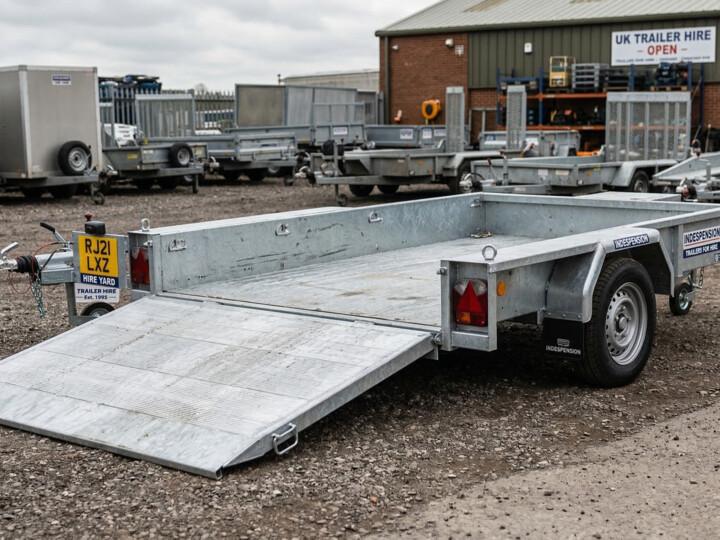
The most-searched trailer type. Customers hiring for landscaping, building materials, or plant equipment need internal length, width, and maximum payload before they call. Show the ramp type, tie-down points, and whether mesh or solid sides are available.
- Internal bed dimensions in metres
- Maximum payload clearly in kg
- Ramp type and loading mechanism
- Photo of the actual trailer in your yard
Box trailers
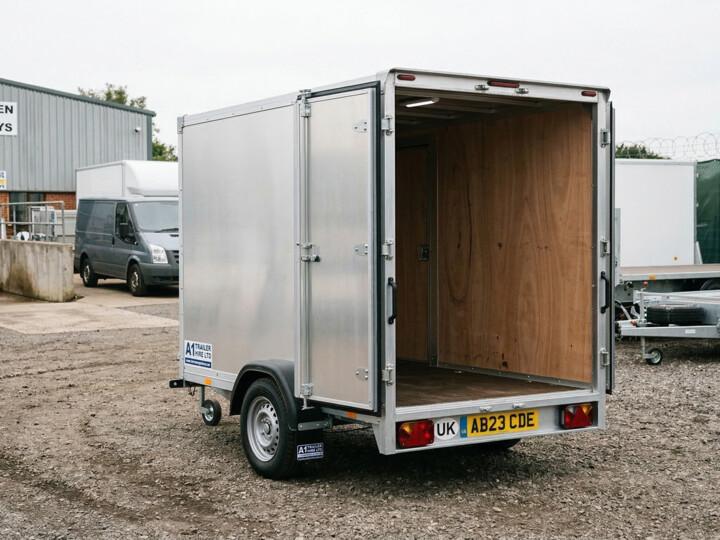
Enclosed box trailers are hired for house moves, furniture transport, and weather-sensitive loads. Customers compare internal height as well as length and width - list all three, plus the door type (rear barn doors, side access), and whether the floor has a non-slip surface or tie-down rails.
- Internal height is often the deciding factor
- Door type and access options matter
- Advertise load security features
- Dry, enclosed load is the selling point
Plant trailers
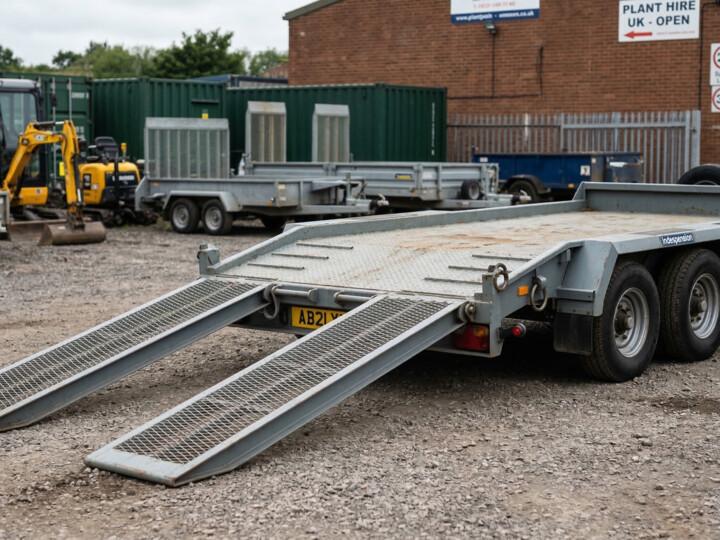
Plant trailer hires are typically for contractors, groundworkers, and self-builders moving compact excavators, dumpers, or ride-on mowers. The critical specifications are the ramp angle, ramp length, tie-down point positions, and the maximum machine weight the trailer is rated for. Missing these details costs you the hire.
- Machine weight rating is essential
- Ramp angle and drive-on clearance
- Tie-down point count and positions
- Width rating for tracked machines
Car transporters
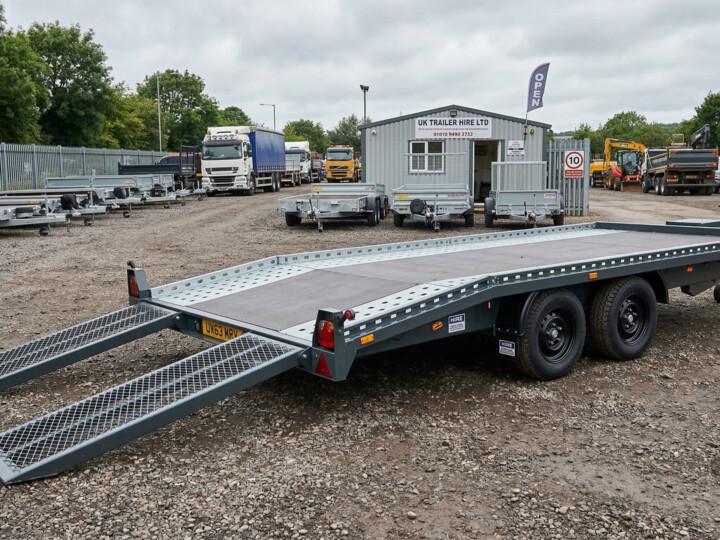
Car transporter hires serve a niche but committed audience: people moving classic cars, track cars, project vehicles, or non-runners. They research thoroughly and compare specifications carefully before calling. Maximum vehicle weight, loading ramp angle, strap or chain tie-down points, and whether the trailer has a beavertail or tilt-bed loading system are all decision-critical details.
- Maximum vehicle weight and length
- Loading system - beavertail or tilt bed
- Tie-down method - strap or chain rails
- Low loader clearance for modified cars
Mistakes most websites make
These are the problems I see consistently when auditing websites - each one costs enquiries every single day.
Not publishing pricing
The most common reason a trailer hire website loses customers it should win. Price-sensitive customers comparing three results on a phone at 9pm will click the business that shows a day rate. "Call for a quote" works for customers already committed to hiring from you - everyone else finds a competitor who shows their prices. Fieldfare Trailer Centre and Coventry Trailer Hire both publish full pricing tables and both rank well for their areas. Pricing transparency is not a commercial risk for a competitive hire business - it is the mechanism by which competitive hire businesses win.
Relying on Yell and directory listings
Yell listings rank for Yell. You appear alongside every other trailer hire company in your postcode area and compete on nothing but proximity and review count - on a page you do not control, with a brand that belongs to someone else. A website lets you rank for "plant trailer hire Kent" or "car transporter hire Exeter" in your own right - searches that Yell cannot capture because they are too specific and too intent-driven.
No fleet specifications on the site
The most common reason an enquiry stalls without converting is the customer not being able to confirm the trailer is the right size for the job without calling. Internal length, width, maximum payload in kg, and the ramp or loading mechanism should appear on every trailer listing. A customer who can self-serve that information books. A customer who has to call to get it often calls the next business on the list instead - particularly in the evenings and weekends when the yard is closed.
Unclaimed or incomplete Google Business Profile
The map pack is where the majority of local hire enquiries originate. A business without a verified Google Business Profile does not appear there. A business with a GBP but no fleet photos, incorrect hours, or no reviews performs significantly below one that has spent twenty minutes setting it up properly. Claiming, completing, and maintaining a Google Business Profile is free, takes an afternoon, and for most local hire businesses is the single highest-return digital action available.
No answer to the towing licence question
A significant number of potential hirers do not know what they are legally entitled to tow and will not call to ask because it feels embarrassing. They simply abandon. A single page explaining the December 2021 rule change - that any standard car licence covers towing up to the gross train weight shown on the VIN plate, how to find that number, and what it means in practice - removes this barrier. Businesses that have published a useful towing guide rank for the question directly and capture customers who were not looking for a hire business at all.

Why speed is your competitive edge
Google's Core Web Vitals - Largest Contentful Paint, Interaction to Next Paint, and Cumulative Layout Shift - are confirmed ranking factors. A slow site is being actively penalised in search results, regardless of how good the content is.
Research consistently shows that 53% of mobile users abandon a site that takes longer than three seconds to load. Sites I build routinely load in under 1.5 seconds on mobile and score 95+ on Lighthouse.
A website that works while you're on the tools
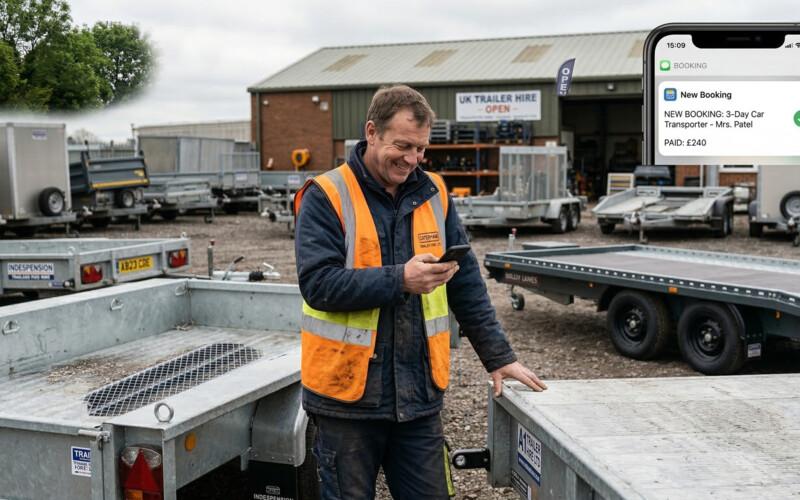
Most enquiries happen while you're out on a job. A fast, well-optimised site with a clear quote form means leads land in your inbox without you having to chase them.
Clear calls to action, fast load times, and local SEO targeting the areas you actually work in - set up before launch, running from day one.
See pricing & get started →How I work
Fixed price, fixed timeline. Get in touch for a quote or buy direct from the pricing page - whichever works for you.
Get in touch or buy direct
Fill in the contact form or drop me an email and tell me about your business - I'll come back with a fixed price and a start date within 24 hours. Prefer to skip the back-and-forth? View the plans and buy direct - choose your package, pay online, and I'll be in touch the same day to get started.
I build it
I build your site on a private staging link so you can see exactly what it looks like before anything goes live. You can review it and ask for changes - all included in the quoted price.
I test it
Before launch I run a full Lighthouse audit - speed, mobile, accessibility, Core Web Vitals. It doesn't go live until it scores 95+.
You go live
I point it to your domain, set up HTTPS, submit it to Google Search Console, and hand over full admin access. Your £45/month hosting and maintenance starts from launch day.
Built for trailer hire that want real results
Straightforward to work with, honest about what's achievable, and focused entirely on sites that generate actual enquiries.
See pricing & get started →- Fixed price agreed upfront - no surprises
- Live in two weeks, not two months
- You deal directly with me throughout
- Hand-coded - no page builder bloat
- Local SEO built in from day one
- 95+ Lighthouse score on every site
Common questions about trailer hire websites
Anything not answered here? Get in touch and I'll respond the same day.
What should a trailer hire website include?
Fleet listings with photos, internal dimensions in metres, payload in kg, and ramp or loading details for every trailer type. Transparent pricing showing day, weekend (Friday 5pm to Monday 8am), and weekly rates alongside the deposit amount and payment terms. A towing guide explaining the current licence rules and how customers check their vehicle's towing capacity. Hire terms covering what ID to bring, the deposit and damage policy, speed limits when towing, and number plate requirements. A prominent phone number on every page. And at least twenty visible Google reviews. A website covering these areas will outperform the large majority of UK trailer hire sites immediately.
How do I rank on Google for trailer hire near me searches?
Three things together produce the most visible results: a fast website with your location, the specific towns you serve, and your trailer types written clearly as text on the page; a fully verified and completed Google Business Profile with photos of your actual fleet and consistent name, address, and phone number across every directory listing; and page content targeting the searches your customers make, such as "plant trailer hire [county]" or "car transporter hire [town]." In most UK areas the competition for these searches from individual hire businesses is weak - the operators who do rank typically have nothing more than a properly structured page with the right words on it. A well-built site with good content can reach the top three local results without advertising spend.
Should I show prices on my trailer hire website?
Yes - always. Publishing your rates is the single most effective conversion change for a trailer hire website. The alternative, "call for a quote," works only for customers who have already decided to hire from you specifically. Everyone else - comparing results on a phone on a Thursday evening, needing a trailer for the weekend - will click the competitor that shows a price. Day rate, weekend rate, and weekly rate clearly listed, with the deposit amount and card-only policy stated, eliminates the main friction point between browsing and booking. If your rates are competitive, there is no commercial reason to hide them.
Do I need online booking for a trailer hire website?
Full availability and online booking is useful once the business is established online, but it is not the priority. An enquiry form asking for trailer type, hire dates, collection or delivery preference, and contact details is sufficient to capture out-of-hours bookings and give you a structured workload. Published pricing and fleet specifications will have a greater impact on enquiry volume than a booking calendar - get those right first, and the booking system can follow once you have the traffic to justify it.
How much does a trailer hire website cost?
A trailer hire website with fleet listings, published pricing, a towing guide, hire terms, and an enquiry form starts from £499. Location-specific pages targeting the towns in your service area - which directly improve local search rankings - can be added from £199 extra. Hosting, maintenance, and domain renewal is £45 per month. A business generating one additional hire per week from organic search recovers the full build cost within a month - and most businesses we build for see a measurable increase in enquiry volume within six to ten weeks of launch.
What should a trailer hire website include for the December 2021 licence rule change?
A dedicated towing guide page explaining that any standard Category B car licence holder can now tow up to the gross train weight shown on their vehicle's VIN plate, with no additional test required. Explain where to find the towing capacity figure, what gross train weight means in practice, and include a table matching common trailer types to common towing vehicles. This page serves two purposes: it converts uncertain browsers into hirers, and it ranks for "what licence do I need to tow a trailer UK" searches - bringing in people who weren't looking for a hire business but found you anyway.
How quickly can a trailer hire website start generating enquiries?
For area-specific searches like "trailer hire Guildford" or "flatbed trailer hire Kent", a well-structured new site typically begins appearing in local results within four to eight weeks and reaches the top three for most target terms within three to four months. Google Maps ranking can move faster - a fully verified Google Business Profile with fleet photos and consistent NAP data (name, address, phone) often produces visible results within two to three weeks of completion. The trailer hire niche has weak individual operator websites in most UK towns, which means a properly built site with full specifications and published pricing has a genuine competitive advantage from launch.
Web design for other industries
I build industry-specific websites across a wide range of trades and businesses. Browse all industries or explore a few below.
Mobile Bars website design
Professional websites for mobile bar hire businesses. Showcase your bar setup, list event packages, and capture enquiries from couples and corporate clients searching Google.
Learn more →Horsebox Hire website design
Professional websites for horsebox bar hire businesses. Showcase your horsebox, list event packages, and appear at the top of Google when couples search for unique wedding bars.
Learn more →Mobile Caterers & Food Vans website design
Professional websites for mobile caterers and street food vans. Show your menu and event setup, capture private hire enquiries, and rank on Google for mobile catering near you.
Learn more →